
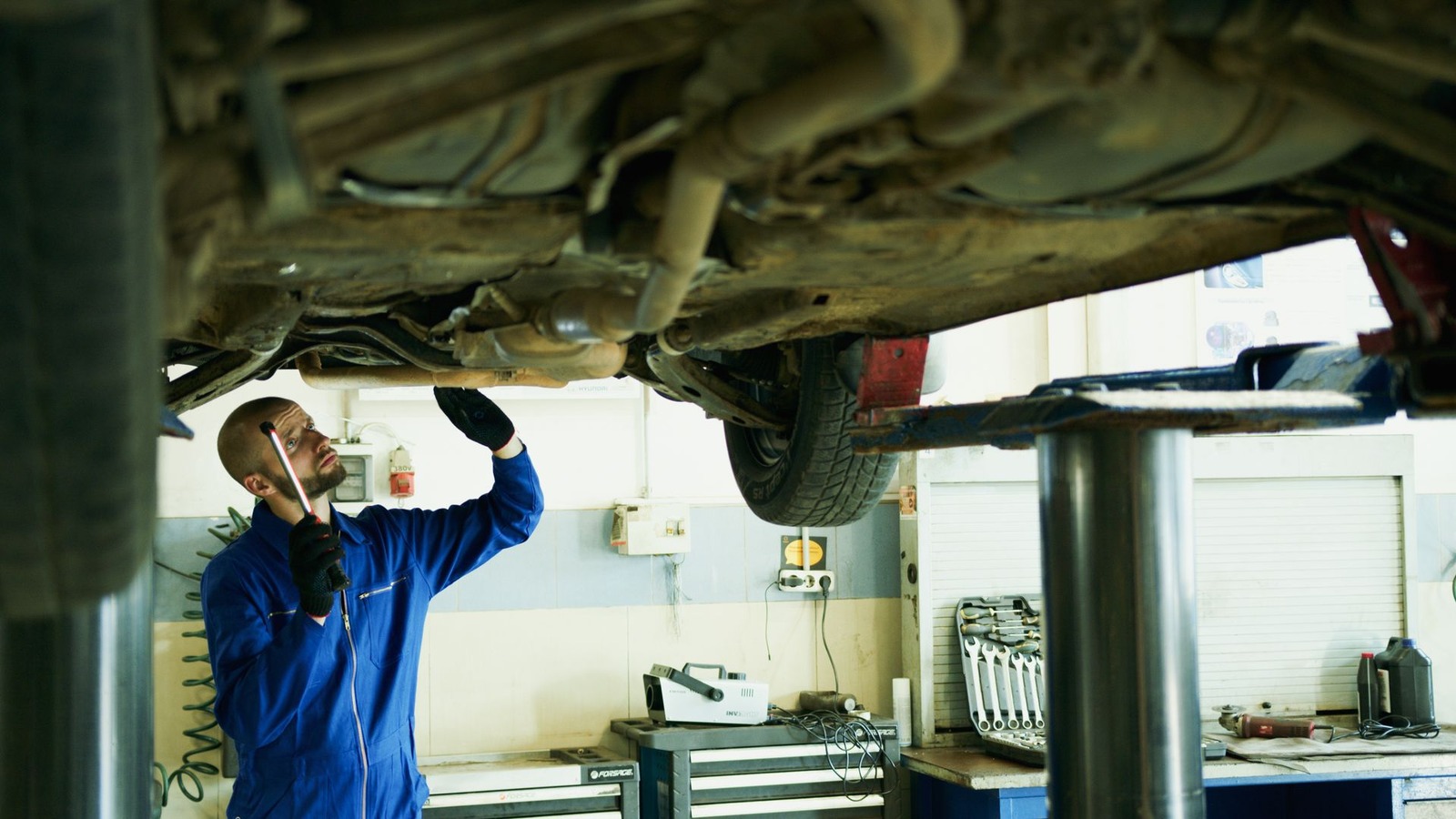
Maryland state inspection
What the inspection actually covers, when the law says you need one, how long the certificate lasts, and what happens if the vehicle does not pass. No guesswork and no quoted price we cannot stand behind.
What this station can inspect
Maryland licenses stations by vehicle class. Station 6921 holds A, A/M Trailer, C and T — which in practice means three things.
- Cars and light trucks Class A: cars, vans, pickups, motor homes and anything else up to 10,000 lb.
- Trucks over 10,000 lb Class C: trucks, tractor units, buses and larger motor homes. Most shops near here do not hold this one.
- Trailers Class T and “A/M Trailer”: trailers up to 10,000 lb without air brakes — so a trailer can be done on the same visit as the vehicle towing it.
Almost always, it is because a vehicle is changing hands
Maryland does not make you inspect a car annually the way some states do. The safety inspection is tied to the title, not the calendar.
-
Selling or buying used
A valid inspection certificate is required before a used vehicle is sold, titled or transferred in Maryland. In practice the seller usually arranges it.
-
Moving to Maryland
New residents have sixty days to title a vehicle here, and need an inspection certificate to do it.
-
Bringing a truck into service
Anything over 10,000 lb GVWR needs a Class C station. That is the reason a lot of people end up on Monumental Ave.
-
When you are exempt
New vehicles from a franchised dealer, transfers between spouses or parent and child, removing a co-owner, and transfers to a licensed dealer are among the exemptions.
There is no annual inspection in Maryland
You do not come back on a schedule. Maryland has no yearly or periodic safety inspection — nothing expires, nothing renews, and there is no sticker to keep current. Most drivers are inspected once, when a vehicle changes hands, and not again until the next time it does.
The ninety days people hear about is the shelf life of the certificate itself, not an interval. Once the vehicle passes, that certificate can be used to title it for ninety days. Finish the title work inside that window and you are done. Leave it longer and the vehicle needs inspecting again before it can be titled — which is the only way a second inspection normally comes up.
Licensed dealers work to a different clock on vehicles they are holding in inventory — six months or 1,000 miles, whichever comes first, and thirty days once the vehicle is resold. That rule is for dealers, not for private buyers and sellers.
The result is transmitted to the MVA electronically when the inspection is completed, so there is no certificate to hand-carry and none to lose.
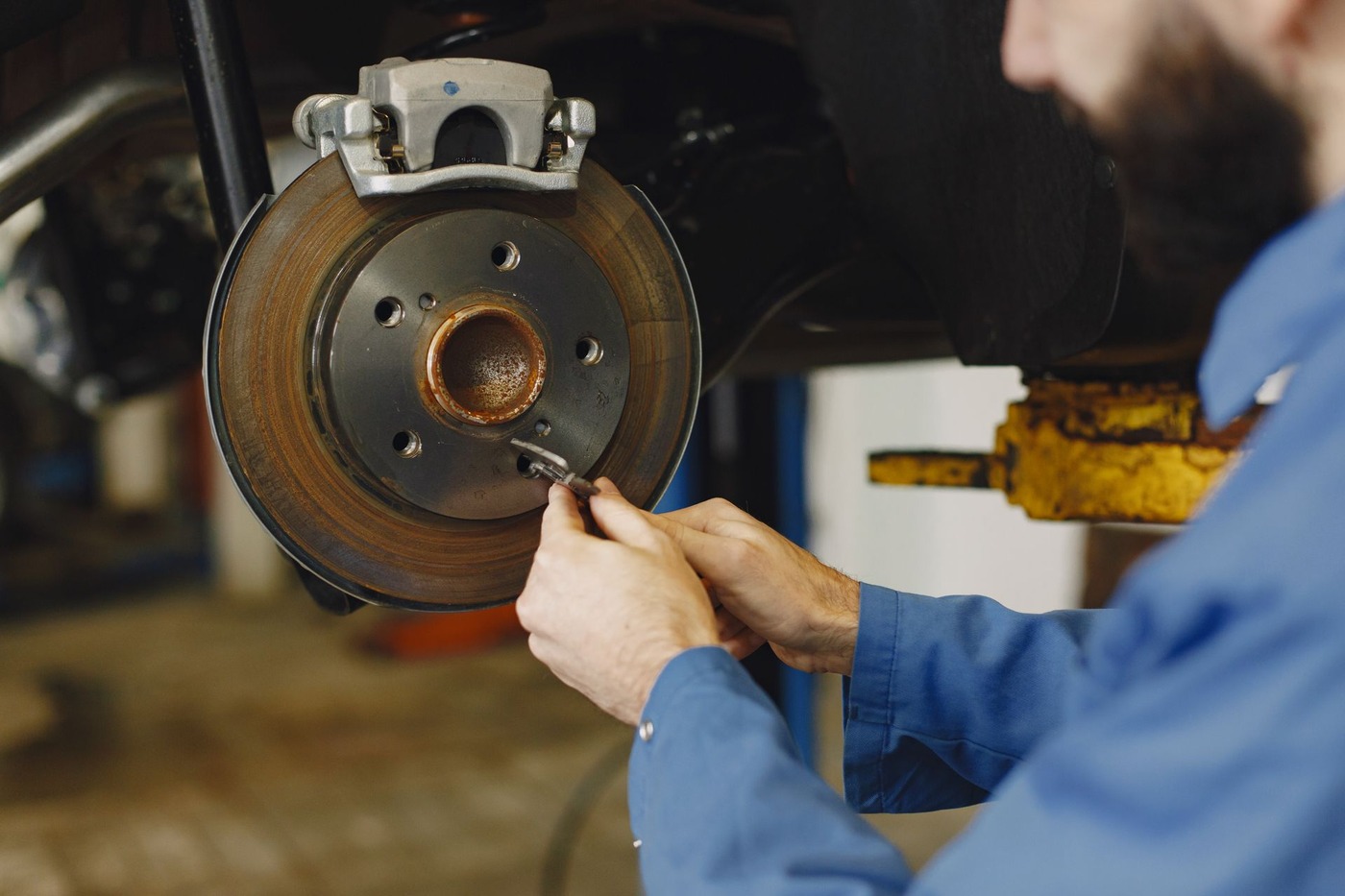
Everything on the list, every time
The scope is set by the state, not by the shop, and it is the same at every licensed station in Maryland. Brakes include a road test — the vehicle gets driven, not just looked at.
- Brake systemComponents and a road test of how it actually stops
- Steering and suspensionLinkage, ball joints, tie rods, springs, shocks
- Tires and wheelsTread, condition, damage and mounting
- All lamps and headlamp aimHead, tail, brake, turn, marker — and where they point
- Glass and tintRegulated windows must pass at 35% light transmission or more
- Mirrors, wipers, washersPresent, secure and working
- Horn, seat belts, latchesDoor, hood and trunk catches included
- Bumpers and fendersFitted, secure and at legal height
- Fuel systemTank, lines and cap — leaks and mounting
- Exhaust and emissions equipmentCondition, mounting, and the required parts being present
- Driveline and engine mountsWhat holds the drivetrain in the vehicle
- Battery, wiring, speedometer, odometerMounting, insulation, and both instruments reading correctly
The thirty-day, thousand-mile rule
A rejection is not the end of the process, and the rules around it are worth understanding before you need them.
You get the list
A written record of exactly which items did not meet the standard — not a vague “it failed”. That list is what any repair is then measured against.
Come back within the window
Return to this same station within 30 days and 1,000 miles and only the failed items are re-checked. Exceed either limit, or go elsewhere, and it is a full new inspection of the whole vehicle.
If you cannot drive it
Maryland’s VR-129 temporary inspection waiver costs $50 and gives one 30-day temporary registration per vehicle, usable only for driving to and from an inspection station.
Salvage-titled vehicles are separate. They require a $75 Maryland State Police salvage inspection before a safety inspection is relevant at all.
VEIP emissions is a different thing entirely
If you were told to “get it tested”, make sure you know which test you were told to get. No Maryland repair shop performs the emissions test — it is run by the state at its own stations and kiosks only.
The closest one is genuinely local, and its name misleads people: the station called “Baltimore City, West” is physically at 1411 S. Edgewood Street, Halethorpe, MD 21227 — the same ZIP code as this shop. It has a 24-hour self-service kiosk. Glen Burnie (721 E. Ordnance Road) and Columbia (6340 Woodside Court) are the next nearest, and both have kiosks too.
Baltimore County, Anne Arundel County and Howard County are all VEIP jurisdictions, so wherever you are driving in from, the emissions rule applies the same way.
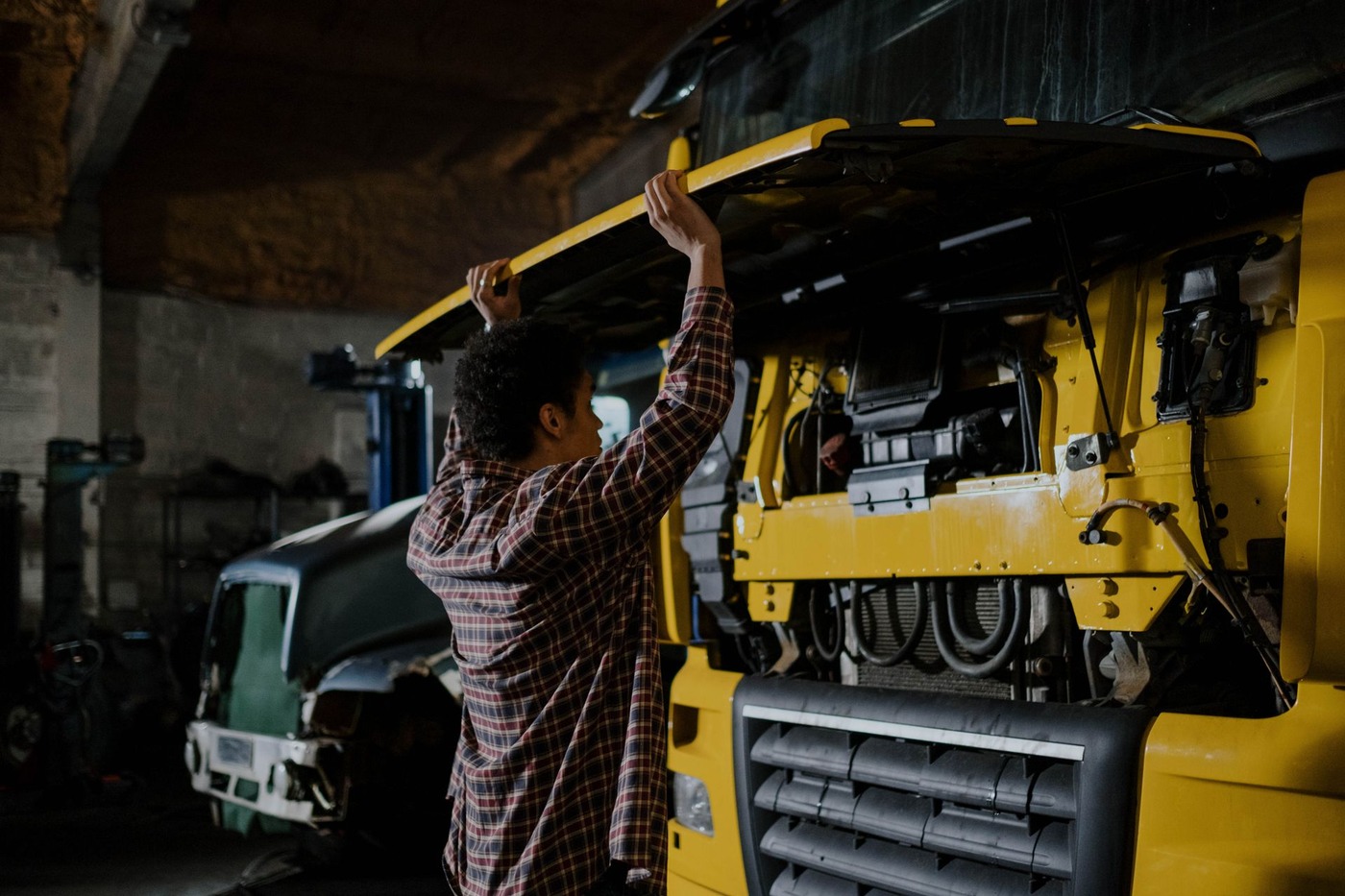
Call first if it is heavy or it tows
A car can generally just come in during opening hours. Anything over 10,000 lb, and anything on a trailer, is worth a phone call first — so the right bay is free when you arrive rather than after you have waited.
The shop is open 8:00am to 5:00pm, Monday through Friday, with Saturday available by appointment. Closed Sunday.
On price: Maryland sets no statewide inspection fee. Every station sets its own, approved by the State Police and posted in the shop, and COMAR limits the labor hours that can be billed. A Class C truck is a bigger job than a sedan and is not priced the same — so call and ask rather than working from a number you saw somewhere else.
Ask about your vehicle
Tell us what it is and roughly what it weighs, and we can tell you which class it falls under and what the inspection involves before you make the trip.
Operating under C&R Auto Repair · Maryland inspection station 6921 · 2240 Monumental Ave, Halethorpe.